
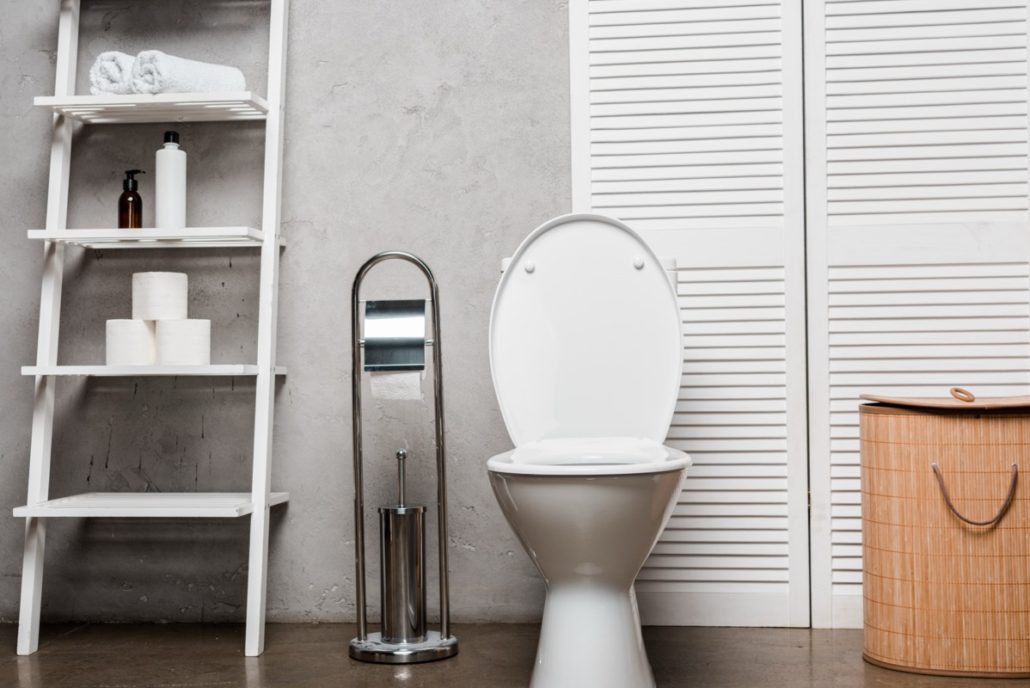
Toilet Draining Slowly: Causes and Solutions
When water drains slowly from the toilet, it is usually a sign of a blockage. A quick solution is needed, as the drain may be obstructed and the toilet could potentially overflow. The following article explains the possible causes of a clogged toilet and how you can address the problem.
Why Is the Water Draining Slowly from the Toilet?
There are several reasons why water may remain in the toilet bowl because it drains only slowly. These causes often depend on the condition of the pipes, the toilet itself, and how it is used. Common causes include:
1. Stubborn Limescale and Dirt Deposits
Over time, pipes may wear down or accumulate limescale deposits. In older buildings, pipes are often very narrow, which frequently leads to toilet blockages. Thorough pipe cleaning removes these deposits and allows the water to drain freely again.
2. Objects That Were Not Disposed of Properly
Items such as cigarettes, hair, feminine hygiene products, food waste, or cat litter should never be flushed down the toilet. Although they may disappear when flushed, they often get stuck further along the drainage system on their way to the sewer.
3. Unsuitable or Excessive Toilet Paper
Standard toilet paper usually passes through pipes without issues because it dissolves into smaller particles when mixed with water. Tissues, wet wipes, or paper towels, however, often get stuck in the pipes as they do not dissolve properly. Using excessive amounts of toilet paper can also lead to clogged pipes, causing water to drain slowly.
4. Incorrect Cleaning Products
To prevent toilet blockages, tenants often use drain or pipe cleaners. In principle, this is not wrong. However, some cleaners make the toilet shine while causing long-term damage. Powder-based cleaners, in particular, are often responsible for clogged toilets. When used, the powder can settle in the pipes, harden over time, and prevent water from draining properly.
You might also like:
Toilet Draining Slowly – What Can You Do?
The measures used to fix this issue vary depending on how advanced the blockage is and whether only the drain or the pipes are affected. The following methods can help you tackle the problem effectively:
Hot Water
Hot water can provide quick relief. Simply boil water and pour it into a large container, such as a cleaning bucket. Allow it to cool slightly, then pour around 250 milliliters into the toilet. If the blockage begins to loosen and the water starts to drain, gradually add the remaining water step by step.
Baking Soda and Vinegar
Baking soda combined with vinegar is a well-known household remedy and helps dissolve various types of buildup. The sodium bicarbonate in baking soda reacts with vinegar to create carbon dioxide, which expands and generates pressure. Pour one packet of baking soda into the toilet, followed by one cup of vinegar. If necessary, repeat this process every 30 to 45 minutes. Once the blockage is cleared, you can pour in some hot water as an extra precaution.
Drain Cleaning Snake
A drain cleaning snake, also known as a plumbing auger, is another method for clearing toilet blockages. It is highly flexible and available in various thicknesses and lengths. One end is fitted with a claw- or spiral-shaped tool, while the other end has a crank that allows you to guide the tip into the pipe. By gently turning the crank, the snake can work its way through the blockage.
When the tip of the snake reaches the blockage, proceed carefully. The tool should not get stuck but should glide through the obstruction. Extra caution is required with older pipes to avoid potential damage.
Plunger
A plunger is a very effective tool for removing blockages. Pumping creates negative pressure that loosens and clears the obstruction. Repeating this process several times usually resolves the blockage. If not, try another method or consult a professional.
Toilet Brush
Less severe blockages can often be cleared using a toilet brush. For example, if a clump of toilet paper has formed, you can carefully loosen it by gently pushing with the brush. Proceed cautiously to avoid pushing the blockage further down the pipe.
When Should You Call a Plumber?
For stubborn blockages located deep within the drainage pipe, the household remedies and tools mentioned above are often no longer effective. In such cases, it is recommended to seek professional assistance. A plumber can properly address the issue.
If water drains slowly from your toilet on a regular basis, it is important to contact a qualified professional. They can identify the root cause of the problem and permanently eliminate the blockage.
Conclusion
Blocked toilets can result from natural wear and tear as well as individual usage habits. Avoid flushing cigarettes, feminine hygiene products, or food waste down the toilet. Only use standard toilet paper in appropriate amounts to prevent clogs.
Household remedies such as vinegar and baking soda, hot water, plungers, drain snakes, and toilet brushes are best suited for clearing blockages. Avoid chemical cleaners, as they may damage the pipes. If you are unable to clear the blockage yourself, hire a professional service to prevent serious damage to the drainage system.
Frequently Asked Questions
Can drain cleaners be used in the toilet?
Due to their corrosive properties, chemical drain cleaners should be avoided at all costs. Over time, they can cause severe damage to the pipes.
How can I unclog my toilet if it’s blocked?
Proven household remedies include vinegar and baking soda as well as hot water. Plungers, drain cleaning snakes, and toilet brushes are also effective tools.
